If you’ve ever shaken hands on a deal and later wondered whether that handshake would hold up in court, you’re not alone. I get asked about verbal agreements all the time – usually after a relationship has gone sideways. A text-message blowup. A former business partner who’s suddenly forgetful. A family member who insists they “never agreed to that.”
Here’s how verbal agreements actually work under BC law, and where people tend to get into trouble.
“Are we separated or divorced?”
It sounds like a simple question, but in British Columbia, the answer matters more than many people realize.
A lot of separating couples use the terms separation and divorce interchangeably. In reality, they’re legally distinct concepts. Confusing them can lead to serious misunderstandings about rights, obligations, and timing – particularly around property division, support, and future relationships.
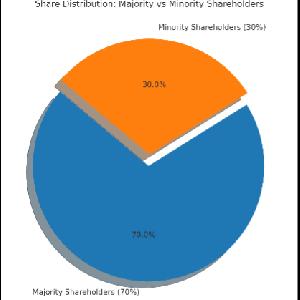
In British Columbia (B.C.), corporate law aims to strike a balance between protecting the interests of majority shareholders who control a company and ensuring that minority shareholders are not unfairly treated or marginalized. While owning a minority stake in a company often means limited influence over major decisions, the Business Corporations Act (BCA) of B.C. provides several rights and protections to safeguard minority shareholders’ interests.